
1. Receive Goods From Multiple Suppliers
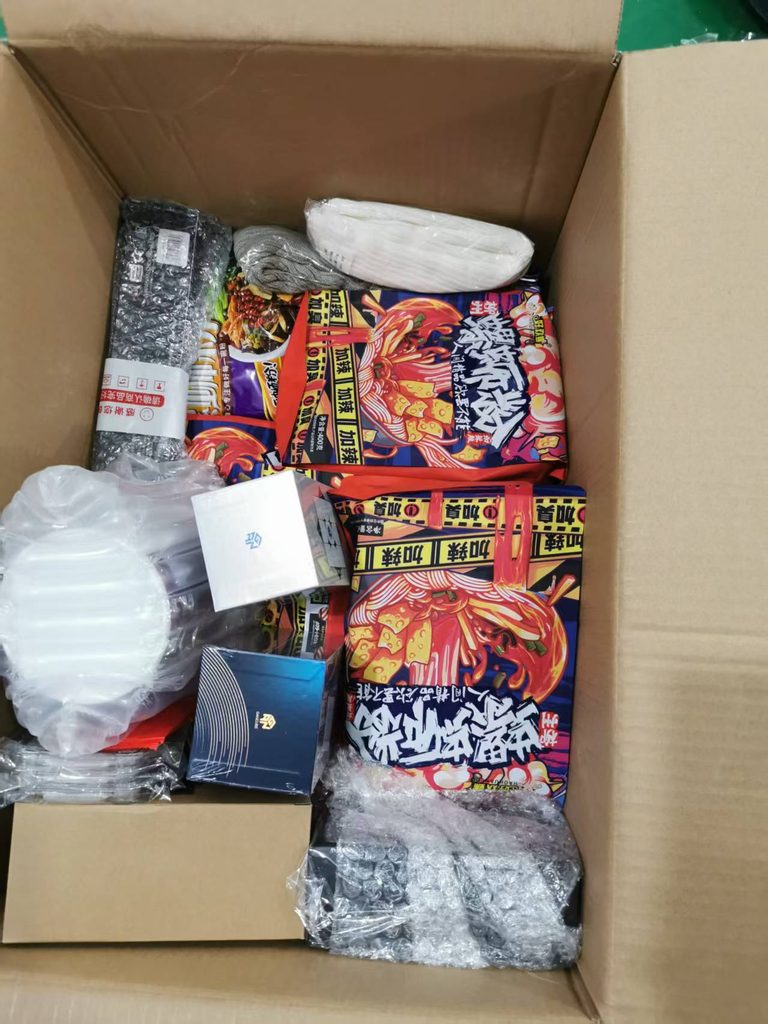
When you purchase from several suppliers in China, each supplier can send their goods separately to our China warehouse.
We receive and register each incoming shipment using information such as:
- Supplier name
- Numéro de suivi national
- Customer reference
- Nombre de cartons
- Nom du produit
- SKU
- Quantité
- Date d'arrivée
Each supplier shipment is kept identifiable so that goods from different orders can be matched correctly before consolidation begins.
2. Match Incoming Packages With Your Orders
After the goods arrive, we compare the warehouse receipt with the order information provided by the customer.
We check:
- Which supplier sent the package
- Which order the package belongs to
- Number of cartons received
- Numéro de suivi national
- Type de produit
- Quantity information
- Whether all expected supplier shipments have arrived
If a package arrives without sufficient identifying information, the domestic tracking number, supplier details and order information may be required before the package can be matched.
3. Wait for All Required Supplier Shipments
Consolidation normally begins after the customer confirms which supplier orders should be combined.
If several suppliers are shipping at different times, the warehouse can hold the already-received goods while waiting for the remaining packages, subject to the agreed storage arrangement.
Before consolidation, we confirm:
- Which shipments have arrived
- Which shipments are still in transit
- Which orders should be included
- Whether any supplier shipment should be excluded
- Whether the customer wants to ship immediately or wait for additional goods
4. Inspect the Outer Packaging
Before opening or combining supplier cartons, we check the visible condition of the incoming packaging.
We look for:
- Crushed cartons
- Torn cartons
- Water damage
- Loose tape
- Open packages
- Damaged corners
- Broken pallets
- Damaged wooden cases
- Other visible transportation damage
If significant damage is found, photos can be taken before the package is opened.
5. Open Supplier Cartons When Required
If the customer requests inspection, repacking or removal of unnecessary supplier packaging, the cartons can be opened before consolidation.
The warehouse can check:
- Product quantity
- Modèle du produit
- Couleur
- Taille
- État visible
- Accessoires
- Étiquettes
- Emballage
- Dommages évidents
The exact inspection scope depends on the customer’s instructions.
6. Separate Products by Order or SKU
Before combining goods, products are organized so that different orders, suppliers or SKUs can be clearly identified.
Depending on the shipment, we may separate goods by:
- Fournisseur
- Type de produit
- SKU
- Modèle
- Couleur
- Taille
- Destination
- Mode de livraison
- Customer instruction
This reduces the risk of mixing unrelated goods during repacking.
7. Remove Unnecessary Supplier Packaging
Supplier packaging is often designed for domestic delivery rather than international transportation.
When appropriate and authorized by the customer, unnecessary packaging may be removed, including:
- Oversized outer cartons
- Excessive empty boxes
- Unnecessary plastic wrapping
- Extra domestic shipping bags
- Redundant packaging materials
- Unneeded promotional packaging
Protective or retail packaging should not be removed if doing so could increase the risk of damage or affect the product.
8. Evaluate the Best Consolidation Method
Not every order should be placed into one very large carton.
The warehouse considers factors such as:
- Product weight
- Product dimensions
- Fragility
- Carton strength
- Poids réel
- Volumetric weight
- Carrier limits
- Type de produit
- Mode de livraison
- Destination requirements
Depending on the goods, the best solution may be:
- One consolidated carton
- Several consolidated cartons
- Palletized cargo
- Caisses en bois
- Separate fragile cartons
- Separate special-cargo cartons
9. Combine Compatible Products
Products that can be safely shipped together are placed into the selected consolidated packaging.
The warehouse may combine:
- Clothing from several suppliers
- Accessories from different factories
- Multiple 1688 orders
- Taobao purchases
- Alibaba supplier orders
- Small hardware items
- Household products
- Samples from several manufacturers
Products that require different handling conditions may need to remain separate.
10. Separate Fragile or Incompatible Goods
Some products should not be packed together simply to reduce the number of cartons.
Examples may include:
- Fragile glass products
- Heavy machinery parts
- Piles
- Liquides
- Produits chimiques
- Sharp objects
- Easily crushed products
- High-value products
- Products requiring special transport conditions
The final packing arrangement should prioritize safe transportation rather than only minimizing carton count.
11. Add Internal Protection
After products are arranged inside the consolidated carton, suitable protective materials may be added according to the cargo type.
This can include:
- Bubble wrap
- Foam
- Air cushions
- Paper cushioning
- Corner protectors
- Dividers
- Protective sleeves
- Additional inner cartons
- Filling empty space
The purpose is to reduce movement and impact during international transportation.
12. Reinforce the Outer Carton
If the original supplier carton is not strong enough for international shipping, the shipment may be transferred into a stronger carton or reinforced.
Reinforcement may include:
- Stronger outer cartons
- Additional tape
- Corner reinforcement
- Strapping
- Stretch film
- Palettes
- Wooden crates
- Protective wrapping
The final method depends on the weight, size and fragility of the goods.
13. Consolidate Multiple Cartons Into Fewer Shipping Units
After unnecessary packaging is removed and goods are reorganized, several supplier cartons may be reduced into fewer international shipping cartons.
Par exemple :
- 8 domestic supplier cartons may become 3 international cartons
- 5 small packages may become 1 consolidated carton
- Several sample shipments may be combined into one export shipment
The actual result depends on the product dimensions, weight and protection requirements.
14. Check Final Carton Quantity
After consolidation is completed, the warehouse confirms the final number of shipping units.
Nous enregistrons :
- Number of final cartons
- Carton numbers
- Which products are inside each carton
- Which supplier orders were included
- Any products kept separate
- Any special packing arrangements
This helps the customer understand the final shipment configuration.
15. Measure Final Carton Dimensions
Each final carton can be measured after packing.
Measurements may include:
- Longueur
- Largeur
- Hauteur
- Nombre de cartons
- Dimensions des palettes
- Dimensions de la caisse en bois
Final dimensions are important because international freight may be charged according to volumetric weight.
16. Record Final Weight
The final packed shipment can be weighed after consolidation.
Cela peut notamment inclure :
- Poids par carton
- Total shipment weight
- Poids de la palette
- Poids dans un coffret en bois
The final packed weight may differ from the sum of supplier estimates because packaging has been removed, added or replaced.
17. Calculate Actual and Volumetric Weight
International freight pricing may be based on actual weight or volumetric weight, depending on the shipping method.
Consolidation can sometimes reduce unnecessary volume by removing oversized domestic packaging and arranging products more efficiently.
However, consolidation does not guarantee that shipping cost will always decrease.
The final cost depends on:
- Poids réel
- Volumetric weight
- Destination
- Shipping route
- Règles relatives aux transporteurs
- Cargo type
- Special handling requirements
18. Take Consolidation Photos
Photos can be taken before, during or after consolidation.
Typical photos may include:
- Supplier packages before opening
- Products from different suppliers
- Goods arranged for consolidation
- Removed packaging
- New cartons
- Internal protection
- Final consolidated cartons
- Carton labels
- Final shipment overview
These photos help the customer understand how several supplier orders were combined.
19. Confirm the Packing Result Before Shipping
Where required, the customer can review the final packing information before international dispatch.
The information may include:
- Final carton quantity
- Final weight
- Final dimensions
- Packing photos
- Consolidation photos
- Special packing details
- Shipping quotation
If changes are required, they should be requested before the shipment is handed to the international carrier.
20. Prepare the Consolidated Shipment for International Shipping
Once the customer confirms the final arrangement, the consolidated goods are prepared for dispatch.
Final preparation may include:
- Carton sealing
- Carton reinforcement
- Shipping labels
- Palletization
- Caisses en bois
- Strapping
- Final photography
- Weight and dimension confirmation
- Shipping documentation preparation
The shipment can then be handed over for the selected international shipping service.
21. When Consolidation May Not Be Recommended
Consolidation is useful for many multi-supplier orders, but combining everything into the same package is not always appropriate.
Goods may need to remain separate when they have:
- Different shipping destinations
- Different customs requirements
- Different transport restrictions
- Dangerous-goods classifications
- Fragile handling requirements
- Significant weight differences
- Incompatible packaging requirements
- Different shipping schedules
In these situations, the warehouse can prepare separate shipments instead of forcing all goods into one consolidated package.